

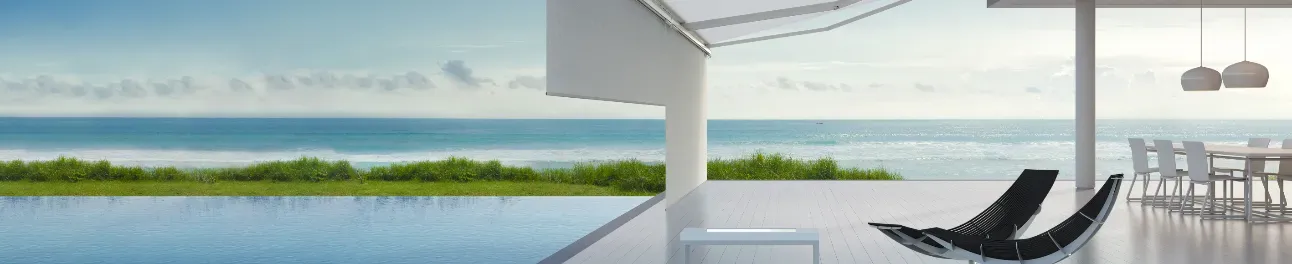
THE BEST Commercial Awning: Enhance Your Business with Style and Functionality
Commercial awnings play a crucial role in enhancing the appeal and functionality of business spaces. They offer protection from the elements and contribute to brand visibility and customer comfort. Various types of commercial awnings are available, each catering to different needs and preferences. Understanding these options helps in selecting the best commercial awning for specific business requirements.
Understanding Commercial Awnings
Commercial awnings are essential components for many businesses, providing functional benefits and enhancing overall curb appeal. They serve diverse functions, ranging from providing shade to acting as a branding tool.
Types of Commercial Awnings
There are various types of commercial awnings to consider based on the specific needs of a business.
Retractable Awnings
These awnings offer flexibility as they can be extended or retracted based on weather conditions. Many restaurants and cafes use retractable awnings to create comfortable outdoor dining spaces.
Storefront Awnings
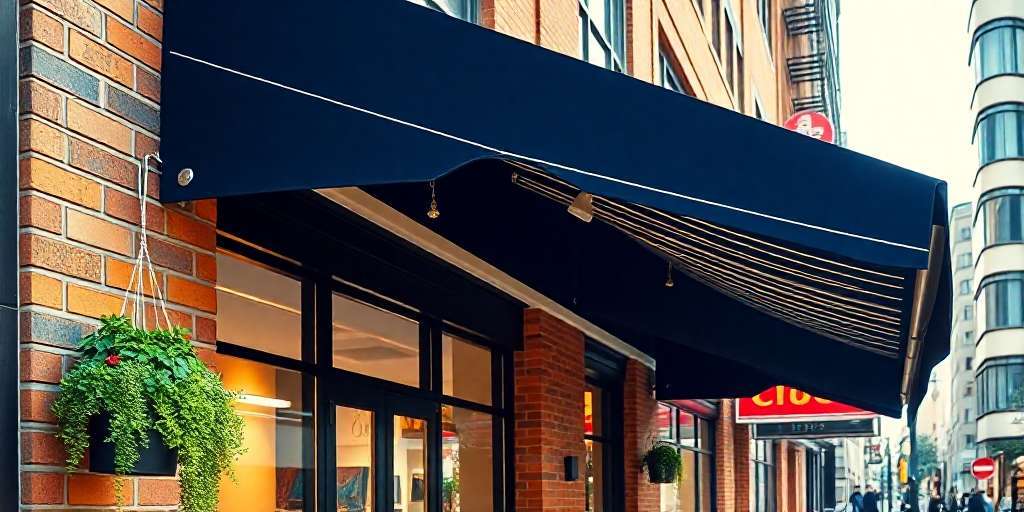
Storefront awnings are typically fixed in place and positioned above entrances. They provide protection from the weather and serve as a canvas for showcasing the business’s name and logo.
Stand-Alone Awnings
Stand-alone awnings are versatile structures that can be placed anywhere on the premises. They are excellent for providing shade in outdoor seating areas or covering merchandise displays.
Fixed Awnings
These awnings are permanently installed and provide consistent coverage. Fixed awnings are ideal for businesses requiring a stable outdoor shelter, like storage facilities or warehouses.
Specialty Awnings
Various unique styles exist, such as dome, convex, and rectangular designs. Each specialty awning is tailored for specific aesthetic or functional requirements.
Key Benefits of Commercial Awnings
Investing in commercial awnings offers numerous advantages that can directly contribute to business success.
Weather Protection
Awnings effectively shield customers and employees from harsh weather elements, ensuring a more comfortable outdoor experience.
Energy Efficiency
By blocking direct sunlight, awnings can help maintain cooler indoor temperatures, reducing reliance on air conditioning and saving on energy costs.
Aesthetic Appeal
Well-designed awnings can enhance the visual impact of a business. Their colors and styles can be customized to reflect the brand’s identity.
Brand Visibility
Awnings function as a prominent advertisement for businesses. A striking awning can capture the attention of passersby and draw them into the store.
Choosing the Right Awning for Your Business
Selecting the appropriate awning for a commercial space involves several factors. A careful evaluation of functionality, size, material, and design preferences can lead to an optimal choice that enhances the business’s image and utility.
Determining Functionality
Understanding the primary purpose of the awning is essential. Factors to consider include:
- Branding and visibility
- Weather protection
- Creating usable outdoor space
Each of these functionalities may influence the type of awning that best suits a business’s needs.
Assessing Size and Space
It is critical to measure the area where the awning will be installed. Proper dimensions ensure adequate coverage and functionality. Business owners should consider how much space is available without obstructing pedestrian traffic or entrances.
Selecting Materials
The choice of material affects both the durability and aesthetic appearance of the awning. Common options include:
- Acrylic
- Vinyl
- Polyester
Each material presents various benefits, including UV resistance and weather durability, which should align with the specific environmental conditions of the business location.
Exploring Design Options
Design plays a crucial role in how an awning enhances a business’s visual appeal. Consideration should be given to both colors and shapes.
Colors and Fabrics
Choosing colors that reflect the brand identity helps in creating a cohesive look. Various fabric types offer different finishes and textures, allowing business owners to customize the awning further.
Style and Shape
The style and shape of the awning should complement the architecture of the building. Popular options include:
- Convex
- Rectangular
- Dome
Selecting a compatible style can enhance curb appeal and contribute positively to the business’s overall image.
Understanding Local Regulations
Compliance with local ordinances regarding awnings is vital. Some areas may have specific guidelines concerning size, height, and materials. Researching these regulations prevents any potential legal issues and ensures a smooth installation process.
Popular Commercial Awning Models
Understanding the various models of commercial awnings is essential for businesses aiming to enhance their outdoor spaces. Different styles cater to specific needs, ensuring functionality and aesthetic appeal.
Cassette Awnings
Cassette awnings are known for their sleek and contemporary design. When retracted, they are fully enclosed, providing superior protection from weather elements. This feature enhances durability and prolongs the lifespan of the fabric. Ideal for restaurants or cafes with large outdoor seating areas, cassette awnings can cover extensive widths, making them a popular choice.
Rubix Awnings
With an eye-catching profile, Rubix awnings are designed to merge functionality with style. Their slim construction not only provides effective shading but also protects the fabric and arms from harsh weather conditions. This type of awning is often favored by businesses seeking to make a strong visual impact while delivering comfort to patrons in outdoor settings.
Classic Awnings
Targeting coastal regions, classic awnings are crafted from corrosion-resistant materials that withstand the seashore elements. These structures are built for extensive capacities, making them suitable for large dining areas or retail spaces. Their traditional design can complement various architectural styles, enhancing the overall look of a business while providing essential shade and protection.
Installation and Maintenance
Proper installation and routine maintenance are essential for ensuring the longevity and functionality of commercial awnings. By following best practices in both areas, businesses can maximize their investment and maintain an attractive presentation.
Professional Installation Tips
Hiring a qualified professional for awning installation guarantees compliance with safety standards and local regulations. Experienced installers can assess the ideal placement and angle for optimal shade and exposure. Factors to consider during installation include:
- Weather conditions and sun trajectory.
- Structural integrity of the mounting surface.
- Permitting requirements based on local regulations.
Regular Maintenance Practices
Routine maintenance is vital to keep awnings in great condition and prolong their lifespan. Following these practices helps ensure that awnings remain functional and visually appealing.
Cleaning and Care
Cleaning involves removing dirt, debris, and stains regularly. The appropriate cleaning method may vary based on material, so it is important to follow manufacturer recommendations. Gentle soap and water often suffice, while specific fabrics may require specialized cleaning solutions.
Inspecting for Wear and Tear
Regular inspections help identify potential issues before they become serious problems. Check for:
- Worn out or frayed fabric.
- Loose fasteners or hardware components.
- Signs of mold or mildew buildup.
Annual Maintenance Checks
Scheduling annual maintenance checks with professionals is recommended for thorough evaluations. These comprehensive inspections can pinpoint structural integrity, fixture stability, and overall operational effectiveness. Professionals can also provide necessary repairs or upgrades to enhance performance.
Frequently Asked Questions
This section addresses common inquiries about commercial awnings, providing insights into their lifespan, functionality, costs, and tips for maximizing their benefits.
What is the Lifespan of a Commercial Awning?
The lifespan of a commercial awning varies based on the materials used and the environmental conditions in which it is installed. Generally, high-quality fabric awnings can last between 5 to 15 years. Metal awnings typically have a longer lifespan, often exceeding 20 years with proper maintenance. Factors influencing longevity include exposure to harsh weather conditions, regular upkeep, and the quality of installation.
How Do Retractable Awnings Work?
Retractable awnings consist of a mechanism that allows the fabric to be extended or withdrawn as needed. They can be operated manually or through a motorized system, often equipped with sensors that detect wind and sunlight. When extended, they provide shade and protection; when retracted, they offer unobstructed views and allow natural light to enter. This flexibility makes them ideal for businesses that want to adapt to changing weather conditions.
What Are the Costs Involved?
The costs associated with commercial awnings can vary widely. Key factors include:
- Type of awning: Retractable models may be more expensive than fixed options.
- Materials: Quality textiles or metal components can affect price.
- Size: Larger awnings will generally cost more.
- Installation: Professional installation can add to initial costs but ensures safety and compliance with local regulations.
On average, businesses can expect to invest anywhere from a few hundred to several thousand dollars.
How to Maximize the Benefits of Awnings?
To get the most out of commercial awnings, consider the following tips:
- Choose high-quality materials for durability and better aesthetics.
- Ensure proper installation to prevent damage and ensure functionality.
- Regular maintenance includes cleaning and inspections to preserve appearance and integrity.
- Utilize branding opportunities by customizing awnings with logos and colors to attract customers.
Implementing these practices can enhance effectiveness and extend the life of the awning.