


What Is an Aluminum Carport?
Aluminum Carports Miami provide an effective solution for protecting vehicles and outdoor furniture from weather elements. They are available in various designs and materials, offering both functionality and aesthetic appeal for homeowners. Understanding different carport types and their benefits is essential to making an informed choice. This article explores materials, installation options, design considerations, and more, ensuring the right fit for any outdoor space.
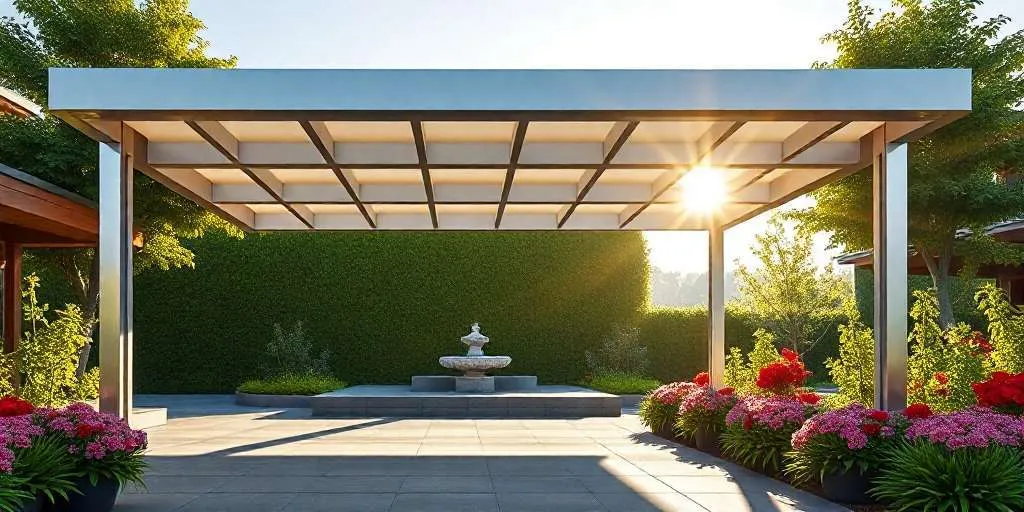
Benefits of Aluminum Carports
Providing a significant advantage for homeowners, these structures serve a dual purpose of protection and convenience. Vehicles parked beneath a carport benefit from shelter against harsh weather conditions, such as heavy rain, snow, and intense sun exposure. This prevents potential damage, extending the lifespan of cars and outdoor furniture alike.
Functionality extends beyond just vehicle protection. Outdoor shade structure Miami can also provide a versatile space for various outdoor activities. A well-designed carport can serve as an outdoor gathering spot, a shaded play area for children, or even storage for gardening tools and equipment. The adaptability of these structures enhances their practical appeal in residential settings.
Consider the following benefits associated with installing a Metal carports Miami:
- Protection from the Elements: Shields vehicles and outdoor items from damaging weather, reducing wear and tear.
- Cost-Effective Solution: Generally less expensive to build than a full garage while still offering substantial protection.
- Easy Installation: Many carports can be installed quickly, often without the need for complex permits or extensive construction.
- Improved Home Aesthetics: Available in a variety of styles and materials, carports can complement the existing architecture of a home.
- Versatility: Can be customized to serve multiple functions, from parking to providing shade for outdoor gatherings.
The ease of maintenance is another notable advantage. Unlike traditional garages, carports require minimal upkeep. Regular cleaning or occasional inspections are usually sufficient to maintain their condition. This simplicity caters to the busy lifestyles of many homeowners.
Furthermore, carports can add value to a property. With many buyers looking for versatile outdoor solutions, a well-constructed carport can enhance curb appeal and increase the attractiveness of a home in the real estate market.
In high-humidity areas like Miami, choosing durable materials is vital for long-lasting performance. Metal carports, particularly those made of aluminum or galvanized steel, resist corrosion and withstand the elements better than wood or other materials.
In summary, carports provide homeowners with a practical, cost-effective, and aesthetically pleasing solution for vehicle protection and outdoor functionality. Their diverse benefits make them a valuable addition to any property.
Materials for Carports: Choosing the Right Structure
When selecting a carport, the material used for its construction plays a crucial role in its durability, aesthetics, and maintenance requirements. Each material comes with distinct benefits, making it essential to assess options carefully.
Metal Carports
Metal carports, particularly those made from aluminum or steel, are renowned for their strength and longevity. These structures are robust and can withstand harsh weather conditions prevalent in regions like Miami.
- Aluminum: Lightweight and resistant to rust, aluminum carports require minimal maintenance. Their sleek design complements modern homes, making them a popular choice for contemporary aesthetics.
- Steel: Known for its superior strength, steel is an excellent option for those needing extra protection against potential impacts. Coated steel materials can also resist corrosion, ensuring longevity.
Wooden Carports
Wooden carports offer a natural and warm appearance, seamlessly blending with outdoor settings. Ideal for those who prefer a traditional look, wood provides aesthetic value but demands more upkeep.
- Maintenance: Regular treatments are necessary to protect wood from rot, insects, and weather damage. Choosing treated wood can help extend its lifespan but still requires ongoing attention.
- Design Flexibility: Wooden carports can be custom-built to suit various styles. They allow for intricate designs that can enhance the charm of any garden or yard.
Fabric Carports
Another alternative, fabric carports, often made from high-density polyethylene, offer portability and ease of installation. These structures are typically used in temporary settings.
- Lightweight: Fabric options are easy to assemble and disassemble, making them ideal for seasonal use or when needing extra shade.
- Cost-Effective: Generally more affordable, fabric carports can serve specific needs without a significant financial commitment. However, their lifespan is shorter compared to metal or wood.
When deciding on the right material for a carport, factors such as climate, aesthetic preference, and intended usage should be carefully weighed. Each option provides unique advantages, ensuring homeowners can find a suitable match for their needs.
Types of Carports and Their Uses
Carports can be categorized into several types, each suited for specific needs and preferences. Understanding these different types is essential in determining which one aligns best with individual requirements.
The most common carport types include:
- Attached Carports: These structures are connected to the main house, offering convenience and ease of access. Typically designed to blend with the home’s architecture, they provide shelter from the elements for vehicles while keeping the aesthetics consistent.
- Detached Carports: Independent of the home, detached carports can be placed in various locations on the property. They offer flexibility in design and can serve multiple purposes, such as additional storage for garden tools or recreational vehicles.
- Two-Car Carports: Designed to accommodate two vehicles side by side, these structures are ideal for families with multiple cars. They provide ample coverage and protection against weather-related damage.
- Custom Carports: Tailored to personal specifications and property requirements, custom carports can enhance outdoor aesthetics. Homeowners can choose materials, colors, and styles to ensure that the carport complements their landscape perfectly.
- Solar Carports: These innovative solutions integrate solar panels, transforming the carport into a source of renewable energy. Perfect for environmentally conscious homeowners, they not only protect vehicles but also support energy needs in a sustainable manner.
Each type of carport serves distinct purposes beyond mere vehicle protection. The functionality can be expanded to include outdoor living spaces, storage areas, or even recreational use. For instance, a detached carport can provide a shaded area for gatherings or outdoor events, enhancing the overall outdoor living experience.
In regions with diverse weather conditions, the type of carport selected may directly influence its durability and usability. The choice of a metal carport, for example, can withstand harsh elements, making it a popular option for varied climates. Conversely, wooden carports might appeal more to those looking for a natural look, yet they may require more maintenance over time.
Understanding these types allows homeowners to make informed decisions that match their practical needs and enhance their outdoor living spaces. The right carport can not only protect vehicles but also add value and functionality to the property.
Carport Kits and Ready-to-Install Options
For homeowners seeking a hassle-free solution, carport kits provide an excellent alternative. These kits come with all the necessary components for quick assembly, making it easy to enhance outdoor spaces without extensive construction work. Many suppliers offer comprehensive packages tailored to suit various styles and needs.
Building a carport from scratch can be time-consuming and require specialized skills. Therefore, the kits are designed for straightforward installation, often including detailed instructions. This allows even those with minimal DIY experience to successfully set up their carports.
There are several types of carport kits available on the market:
- Metal carport kits: These are durable and weather-resistant options, making them ideal for areas with harsh conditions.
- Wooden carport kits: These kits provide a natural aesthetic that blends well with outdoor settings. However, they may require more maintenance over time.
- Aluminum carport kits: Lightweight and resistant to rust, aluminum models are perfect for quick installations, requiring minimal upkeep.
- Retractable carport systems: Offering versatility, these kits allow homeowners to adjust their shading and protection as needed.
Many suppliers also offer ready-to-install options that come pre-assembled, ideal for those who want to avoid assembly altogether. These models typically appear more polished and require only a few adjustments during setup. They are especially beneficial for commercial properties looking to create effective outdoor spaces quickly.
Customization is often available for carport kits. Customers can choose from various colors, sizes, and roof styles to match their homes and enhance aesthetics. This flexibility not only elevates the functionality of the space but also adds significant value to the property.
With the variety of carport kits and ready-to-install options, homeowners can find a solution that complements their style and meets their functional needs. As outdoor living continues to evolve, the availability of these products ensures that everyone can enjoy the benefits of effective vehicle protection and additional outdoor space.
Design Considerations to Match Your Outdoor Style
When selecting a carport that complements a home’s exterior, various design elements must be considered. The carport should harmonize with the existing architecture and landscaping, enhancing the overall aesthetic without overwhelming the space.
One essential aspect is the choice of materials. Different materials contribute distinct visual characteristics:
- Metal Carports: Offer a sleek and contemporary look that pairs well with modern homes. Their durability ensures they withstand the Miami climate while maintaining a clean appearance.
- Wood Carports: Provide a warm and natural aesthetic. They can easily blend with garden or landscape features. However, they require regular maintenance to keep them looking their best.
- Composite Materials: These can mimic the appearance of wood while providing greater durability and lower maintenance. Ideal for achieving a custom style without the drawbacks of natural wood.
Color and finish also play a significant role in design. Opting for colors that match or complement the exterior of the house can create a cohesive look. Light colors can reflect sunlight, reducing heat build-up underneath, while darker tones might better hide dirt and wear over time.
Roof style is another critical consideration. Flat roofs create a modern look, while sloped roofs can add character and allow for better water drainage. Additionally, various roofing materials can enhance both functionality and aesthetics.
Finally, incorporating features such as lighting or decorative accents can elevate the design. Well-placed lights not only enhance the functionality of the carport but also improve safety and highlight architectural details at night. Custom designs, such as arches or latticework, can personalize the carport and make it a standout feature in the outdoor environment.
Installation and Maintenance Insights
Achieving a successful installation of a carport requires careful planning and consideration of the specific site conditions. The right foundation is crucial. Concrete or gravel is often recommended to ensure stability. The slope of the ground must also be assessed to avoid water accumulation, which could undermine the structure over time.
When it comes to the assembly, many homeowners opt for carport kits that come with detailed instructions. These kits often include all necessary components, making the installation process straightforward. However, for those who prefer a custom-built option, hiring a professional contractor with experience in carport installations is advisable. This ensures compliance with local building codes and regulations.
Key Steps for Installation
- Choose the ideal location to maximize sunlight and avoid obstacles.
- Prepare the ground by leveling the area and laying a solid foundation.
- Assemble the structure according to the manufacturer’s instructions.
- Securely anchor the carport to the foundation to enhance stability.
- Inspect connections and joints to ensure they are properly fastened.
Maintenance is vital to prolong the life of a carport, regardless of the material used. Regular inspections can help identify potential issues before they escalate. For metal carports, checking for rust and corrosion is essential. A protective coating can be reapplied as needed to prevent deterioration. On the other hand, wooden carports require more frequent attention to protect against pests and weathering.
Maintenance Tips
- Clean surfaces regularly to remove dirt and debris.
- Inspect the roof for leaks or damage, especially after storms.
- Treat wooden structures with preservatives to enhance resistance against moisture and insects.
- Check the foundation periodically for signs of shifting or settling.
In regions like Miami, where humidity and salt air can deteriorate materials quickly, implementing a routine maintenance schedule is essential. Incorporating seasonal checks can prepare the carport for the coming weather, ensuring it remains in excellent condition over the years.
Pricing and Budgeting Your Carport Project
Understanding the financial aspects of a carport project is crucial for homeowners planning to enhance their outdoor space. The cost of a carport can vary significantly based on several factors, including the materials, design, size, and any additional features such as solar panels or customizations. Each of these elements can impact the overall budget, making it essential to plan carefully.
Several key components contribute to the overall pricing:
- Material Selection: The choice of materials—whether aluminum, wood, or metal—will largely influence the cost. For instance, metal carports typically offer durability and ease of maintenance, while wooden structures may be less expensive initially but require more upkeep.
- Size and Design: Larger carports command higher prices, particularly if they are designed to accommodate more than one vehicle. Custom designs will also add to the final bill, especially if they require special engineering or architectural elements.
- Installation Costs: While some carports come as DIY kits, others may necessitate professional installation, which can vary in cost based on the complexity of the project. Having a professional handle the installation may ensure a higher quality outcome, but it’s also an added expense.
- Additional Features: Features such as built-in lighting, integrated storage, or energy-efficient solar panels may enhance functionality but will also increase the initial investment.
On average, homeowners can expect to spend between $3,000 and $10,000 for carport installations. This range illustrates the impact of choosing high-quality materials and personalized designs that align with one’s aesthetic goals and functional requirements. For instance, opting for a metal carport in a region like Miami not only may end up being a more sustainable choice but could also minimize future maintenance costs.
Budgeting for a carport project should also consider hidden costs such as permits or site preparation. Local regulations might dictate certain standards or requirements that must be followed, which could lead to unexpected expenses. By accounting for all potential costs upfront, homeowners can enjoy a smoother planning process and a more successful project.
Why Choose a Metal Carport for Miami Climate
The Miami climate poses unique challenges for outdoor structures due to its hot, humid summers and occasional stormy weather. Opting for a metal carport offers numerous advantages tailored to this specific environment.
Durability is a top benefit when selecting a metal carport. Constructed from materials like galvanized steel or aluminum, these carports are designed to resist rust, corrosion, and wear over time. This makes them ideal for coastal areas, where salt air often accelerates the degradation of other materials.
- Weather Resistance: Metal carports effectively withstand heavy rain and wind, protecting vehicles from storm damage.
- Heat Reflection: Metals often have properties that allow them to reflect sunlight, keeping the interior cooler and minimizing heat buildup, essential during Miami’s sweltering days.
- Low Maintenance: Unlike wooden structures, metal carports require little upkeep, only needing occasional cleaning to maintain their appearance.
The installation of a metal carport can significantly benefit homeowners looking for quick and efficient solutions. These structures are often easier to assemble compared to traditional garages, saving time and labor costs. Many companies offer pre-fabricated options that can be set up promptly, allowing for immediate use.
Another consideration is the aesthetic appeal of metal carports. They can come in various styles and colors, allowing them to blend seamlessly with the existing architecture of homes in Miami. This adaptability enhances the property’s overall appearance while providing functional benefits.
- Versatile Designs: Metal structures can be crafted in contemporary or classic styles to fit different preferences.
- Custom Features: Options such as integrated lighting or additional storage can be included to meet specific needs.
Safety is paramount, especially in a region prone to hurricanes and tropical storms. Metal carports are less likely to suffer structural failures during severe weather when compared to other materials. Their inherent strength provides peace of mind, ensuring that vehicles and outdoor items remain secure, regardless of the weather conditions.
In summary, selecting a metal carport for the Miami climate is a wise investment. With durability, low maintenance requirements, aesthetic versatility, and safety features, these structures stand out as an optimal choice for protecting valuable possessions against environmental challenges.
Frequently Asked Questions About Carports
Many people have questions about carports as they consider them for their homes or businesses. Understanding the common inquiries can help clarify the options available and ensure an informed decision.
- What materials are carports typically made from?Carports can be constructed using a variety of materials, with metal and wood being the most common. Metal carports offer durability and low maintenance, making them perfect for areas like Miami, where weather can be harsh. Wooden carports provide a rustic charm but often require more upkeep.
- Do I need a permit to install a carport?Depending on local regulations, a permit may be necessary before installation. It’s essential to check with local authorities to ensure compliance with building codes and zoning laws.
- How long does it take to install a carport?The installation time varies based on the type of carport and its complexity. Generally, a simple carport can be installed in a day or two, while more customized structures may take longer.
- Can a carport withstand extreme weather conditions?Most carports, especially those designed for regions like Miami, are engineered to withstand harsh elements, including heavy rain and high winds. Choosing high-quality materials and construction is crucial for longevity.
- Can carports be customized?Customization is a significant advantage of carports. Options include size, color, and features like integrated lighting or storage solutions, allowing homeowners to create a structure that fits their specific needs and style.
- Are carports more cost-effective than garages?Generally, carports are more affordable than traditional garages due to lower material and labor costs. They also do not require as extensive a foundation or roofing system. This makes them an appealing option for budget-conscious homeowners.
- How do I maintain my carport?Maintenance typically involves regular cleaning to remove dirt and debris. If made of metal, ensure the structure is free from rust, and if made of wood, treat it periodically to protect against moisture and pests.
Understanding these common questions can greatly assist individuals in deciding whether a carport is the right addition to their property. With proper choice and installation, carports serve as practical and stylish solutions for vehicle protection.
Exploring Personalized Solutions and Upgrades
Customization is key when it comes to enhancing carports. Homeowners have the opportunity to tailor their structures to suit their specific needs and preferences. Various options are available to create a carport that not only fulfills functional requirements but also adds aesthetic value to the property.
- Design FlexibilityOne of the most exciting aspects of carports is their ability to be tailored in design. Whether opting for contemporary or traditional styles, the possibilities are endless. Customized colors and roof styles can seamlessly blend with existing architecture.
- Accessory AdditionsEnhancements such as built-in storage solutions, lighting fixtures, and even integrated electrical outlets can transform a standard carport into a multi-functional space. These features not only increase usability but also promote convenience.
- Eco-Friendly OptionsFor environmentally conscious homeowners, incorporating solar panels is a popular upgrade. This addition not only provides efficient energy but also furthers sustainable practices within the residence.
- Material ChoicesPersonalization extends to the choice of materials. Beyond the standard aluminum and wood offerings, alternatives such as vinyl or even steel can provide unique aesthetics while ensuring durability. Each material brings its distinct benefits in terms of maintenance and visual appeal.
- Custom DimensionsHeight and width adjustments can be made to accommodate the specific needs of the homeowner. Whether it’s for taller vehicles or additional storage space, having flexible dimensions ensures maximum functionality.
- Roofing OptionsSelecting different roofing styles can significantly affect both appearance and weather protection. Options range from flat roofs to sloped designs, allowing homeowners to choose what best suits their taste and climate considerations.
Personalized upgrades not only enhance the functionality of carports but also elevate the overall outdoor experience. Investing in these tailored solutions allows homeowners to enjoy spaces that are as unique as they are practical.